
Microsoft Begins Testing 'Hey Copilot' Voice Command in Windows 11 – A New Era of AI?
Microsoft is making its AI assistant, Copilot, smarter and more interactive on Windows 11. Users will soon be able to activate Copilot by simply saying, “Hey Copilot!” — just like how you summon Siri, Google Assistant, or Alexa.
Read Also: Windows 11 Adds “Ask Copilot” to Right-Click Menu – What It Does and How to Remove It
What is the “Hey Copilot” Feature?
The new voice command is currently being rolled out to users enrolled in the Windows Insider Program. When users say “Hey Copilot!”, a floating microphone icon appears along with a chime, indicating that Copilot is actively listening and ready to assist.
Read Also: How to Choose the Best EDR Vendor for Your Business
Key Highlights:
- On-device voice detection with a 10-second audio buffer
- No cloud storage of voice data – ensures better privacy
- Internet connection required to use Copilot Voice features
- Available only in Copilot version 1.25051.10.0 or higher
Read Also: Google Gemini Can Turn Photos into Videos: First Debuts with Honor 400 Series
Benefits of “Hey Copilot” for Users
The “Hey Copilot” voice feature isn’t just a convenience — it brings several real-world advantages for everyday users and professionals alike:
1. Hands-Free Productivity
Whether you're multitasking, away from the keyboard, or working in a hands-busy environment, being able to activate Copilot with your voice enables faster access to assistance without breaking your workflow.
2. Faster Access to AI Capabilities
Copilot can handle tasks like summarizing emails, generating content, writing code, or analyzing data. With voice activation, these powerful AI tools become even more accessible — all you need is a command.
3. Seamless Integration with Windows
The voice command brings AI deeper into the Windows experience. Users no longer need to click through menus or type queries — “Hey Copilot” can instantly trigger system settings, search tools, or even help with apps.
4. Improved Accessibility
For users with mobility limitations or disabilities, voice commands offer a more inclusive way to interact with technology. “Hey Copilot” opens the door for greater accessibility and ease of use.
5. Local Privacy-Preserving Processing
Unlike some voice assistants that rely heavily on cloud listening, Microsoft emphasizes that “Hey Copilot” uses on-device voice detection with no audio being stored or uploaded, giving users more control over their privacy.
Read Also: From API to Chatbot: OpenAI Expands GPT-4.1 Access for Everyone
AI Voice Integration: A Smart Move or a Privacy Concern?
While this move makes Windows more interactive and modern, it also raises valid concerns about user privacy. Microsoft has clarified that the voice command is processed locally on the device and is not uploaded to the cloud or stored. Still, as AI voice features become more embedded in operating systems, it's important for users to stay informed and cautious.
Requirements for Using “Hey Copilot”
Before you can use this feature, ensure your system meets the following conditions:
- You must be a Windows Insider
- The feature is only available to users enrolled in the Windows Insider Program.
- You need the latest Windows 11 Dev or Canary build
- Specifically, build 26080 or newer.
- Copilot app version must be 1.25051.10.0 or above
- This version supports the voice activation feature.
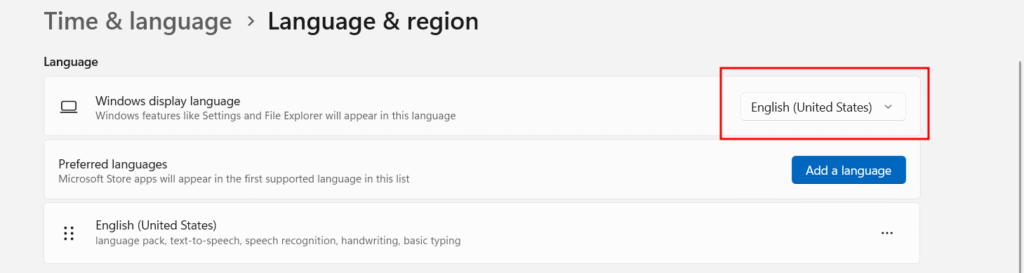
- Your display language must be set to English (United States)
- The feature currently only supports this language.
How to Enable “Hey Copilot”
Step 1: Join the Windows Insider Program
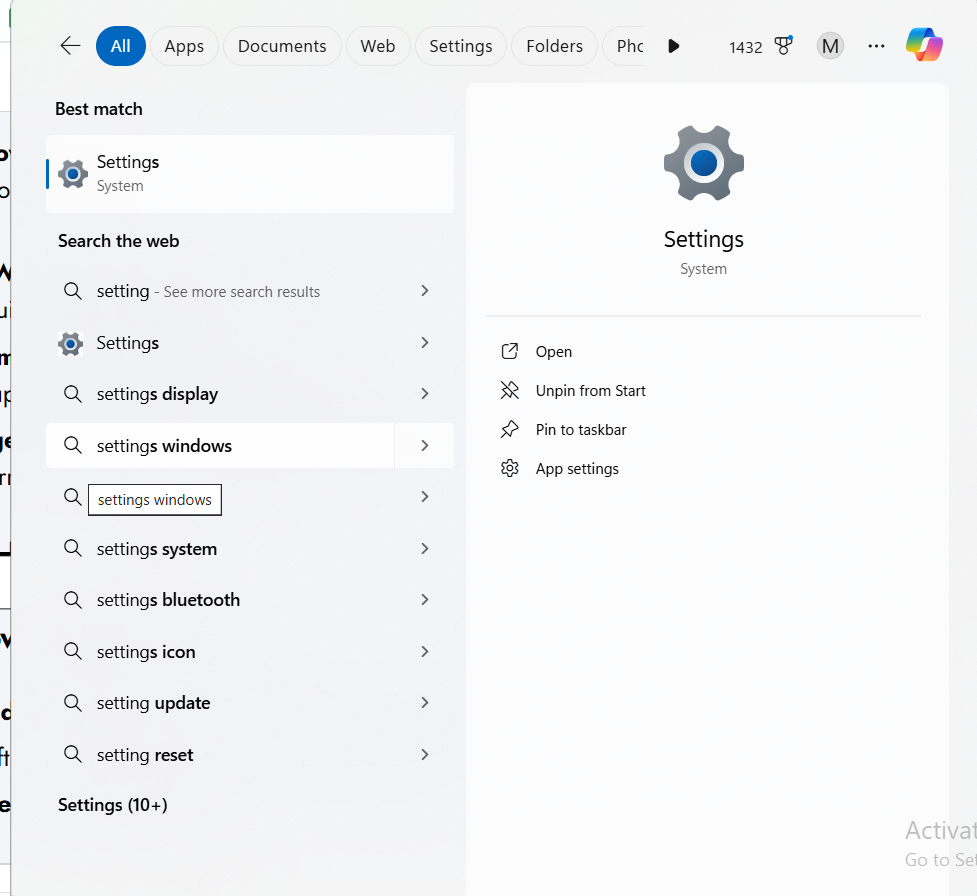
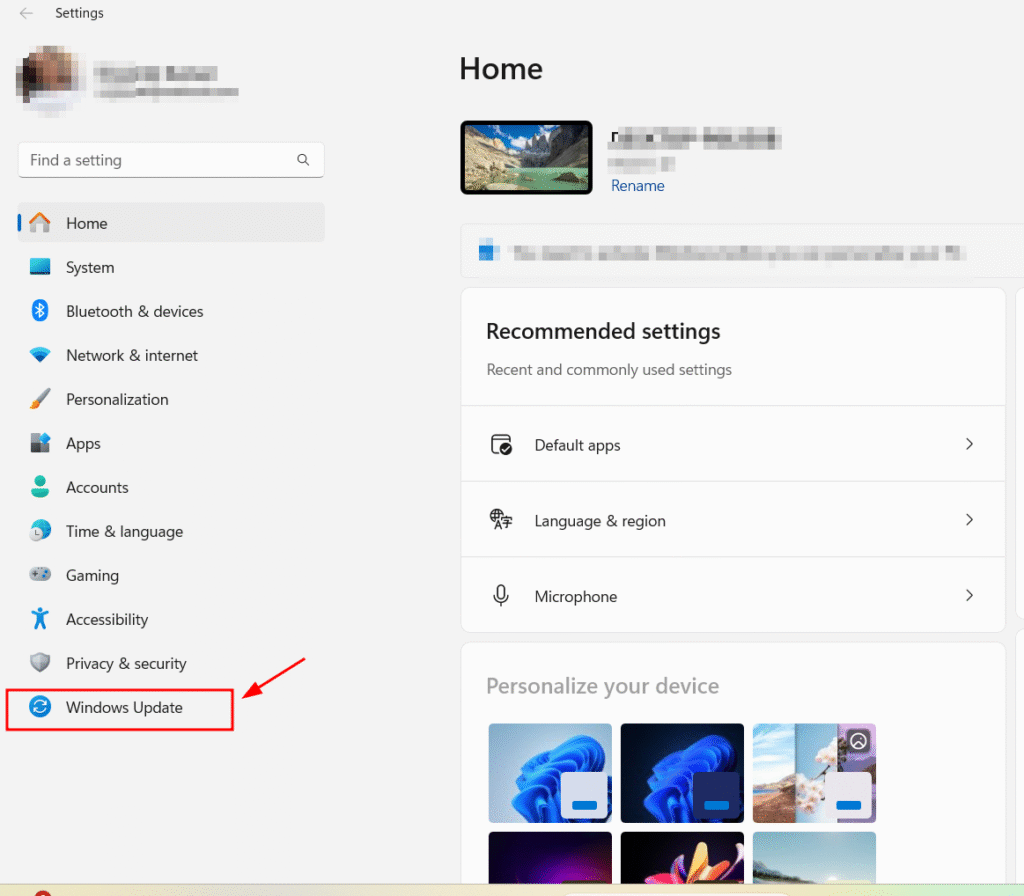
- Open Settings > Windows Update > Windows Insider Program
- Sign in with a Microsoft account registered in the Insider Program
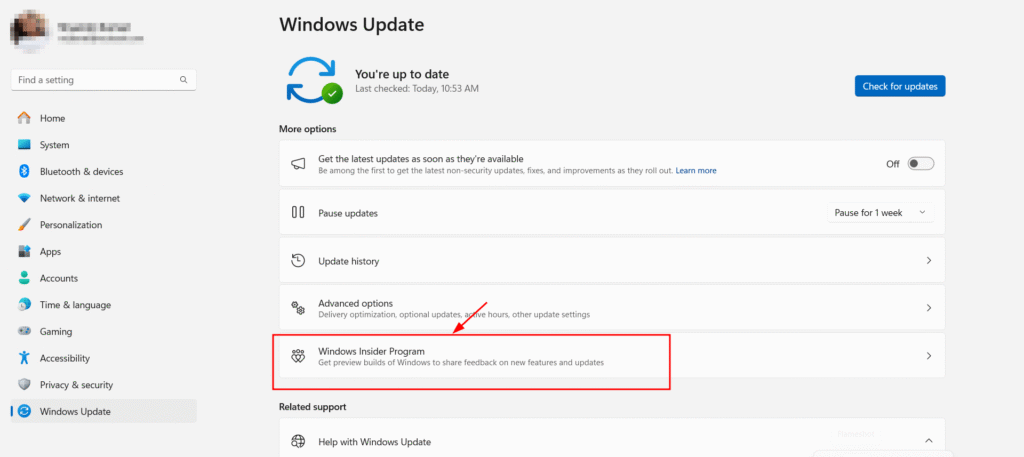
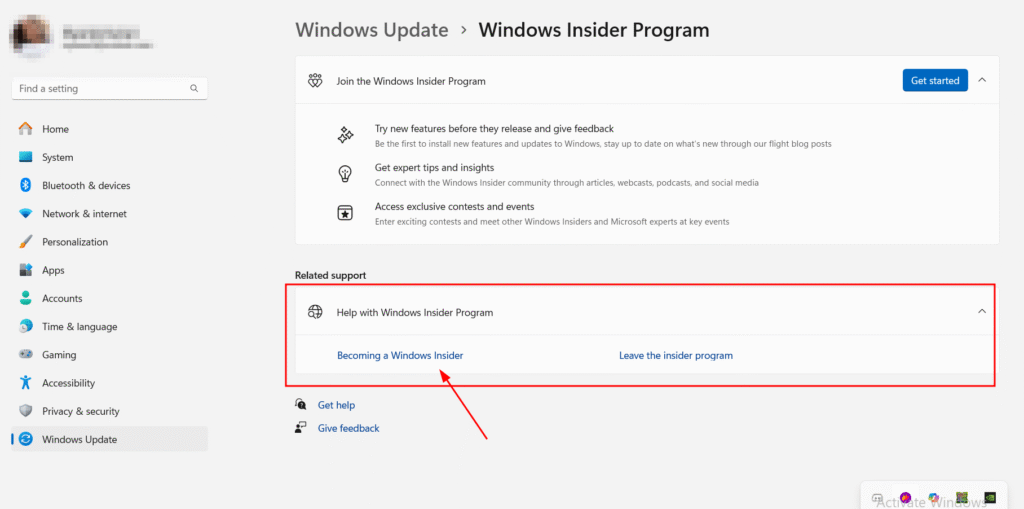
- Select the Dev Channel or Canary Channel
Step 2: Update Your System
- Go to Settings > Windows Update > Check for updates
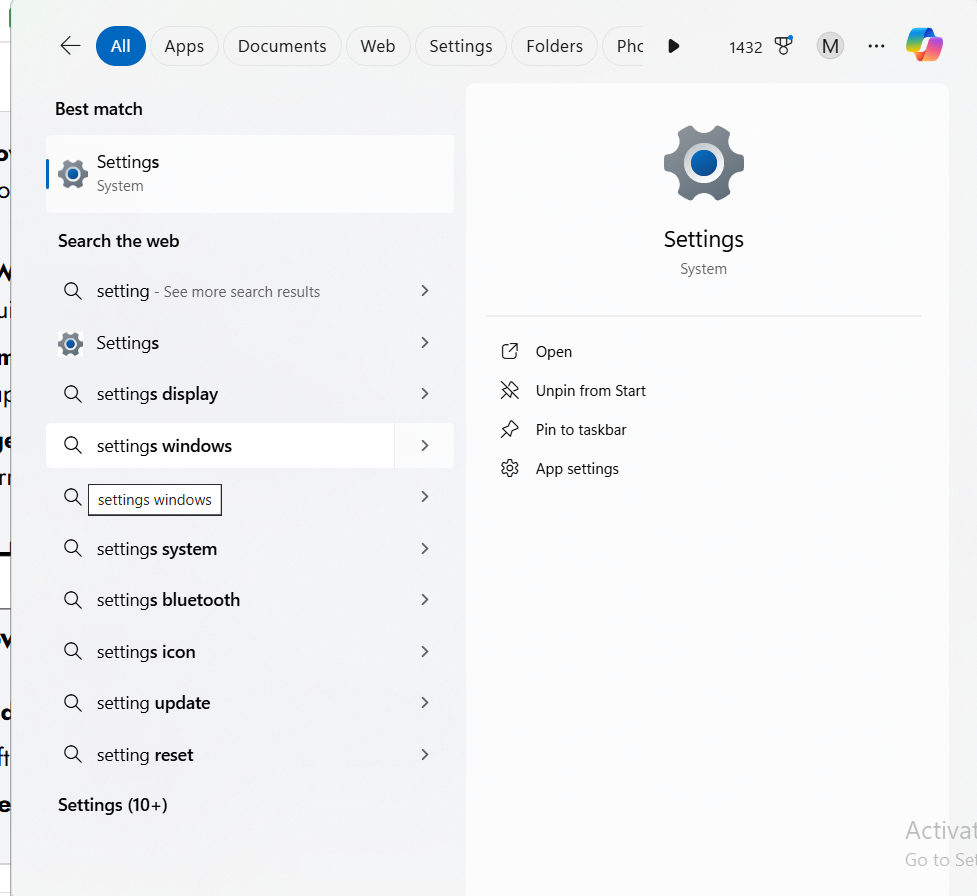
- Download and install the latest Windows Insider build
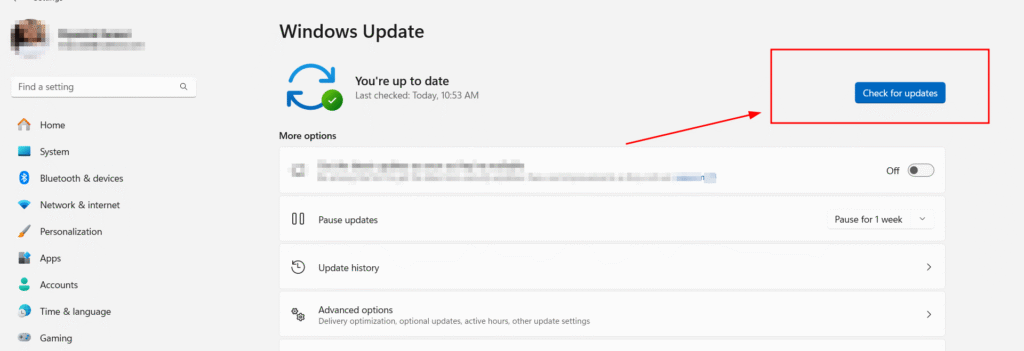
Step 3: Update the Copilot App
- Open the Microsoft Store
- Search for Microsoft Copilot
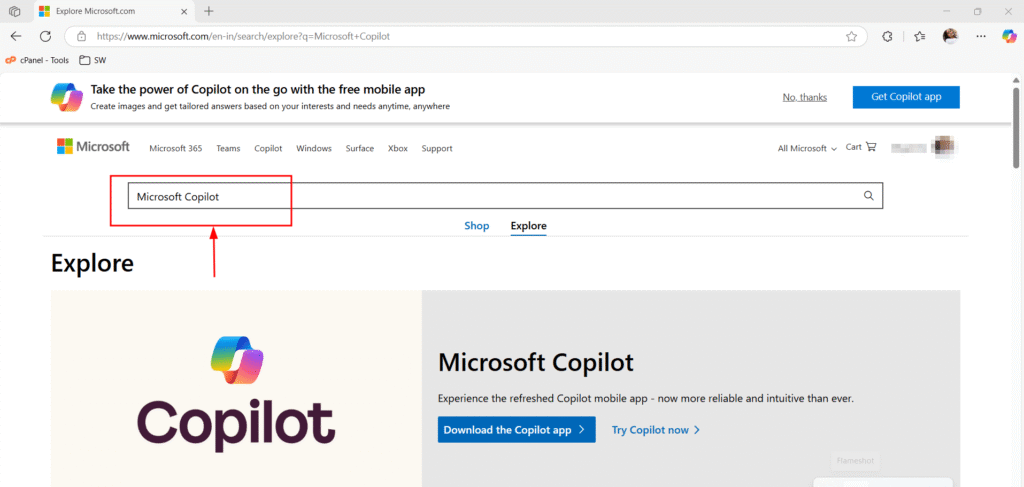
- Make sure it’s updated to version 1.25051.10.0 or higher
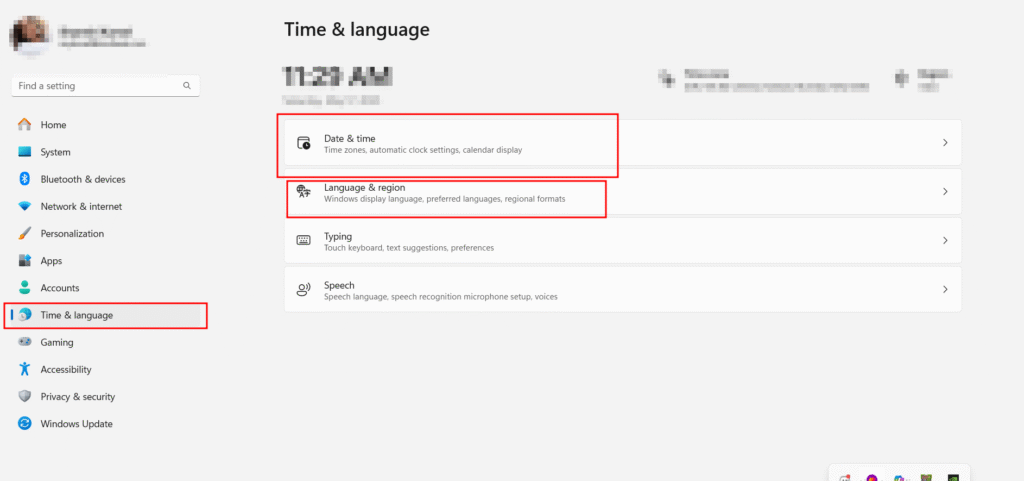
Step 4: Set Your Display Language
- Go to Settings > Time & language > Language & region
- Ensure that the display language is set to English (United States)
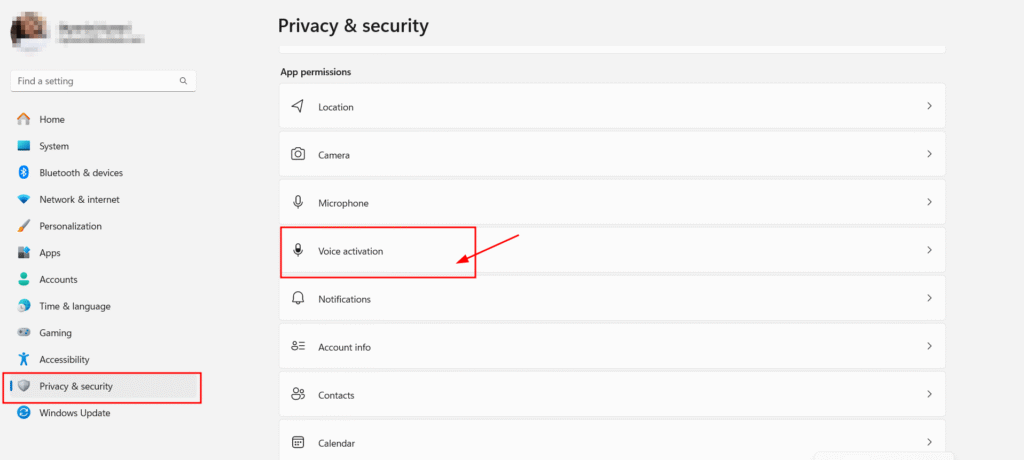
Step 5: Enable Voice Activation for Copilot
- Navigate to Settings > Privacy & security > Voice activation
- Enable voice activation for the Copilot app
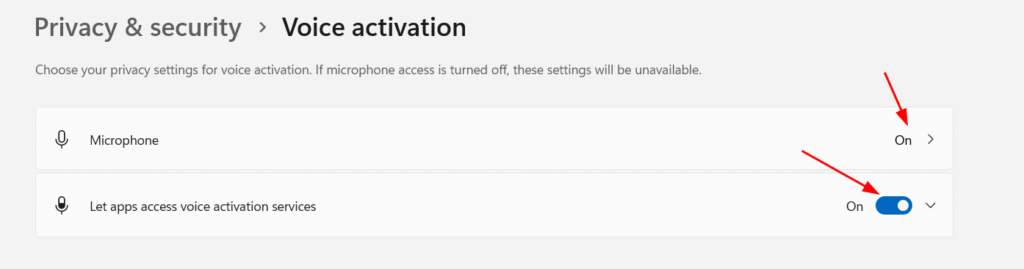
- Once enabled, saying “Hey Copilot!” will trigger a floating microphone and a sound indicating the assistant is listening
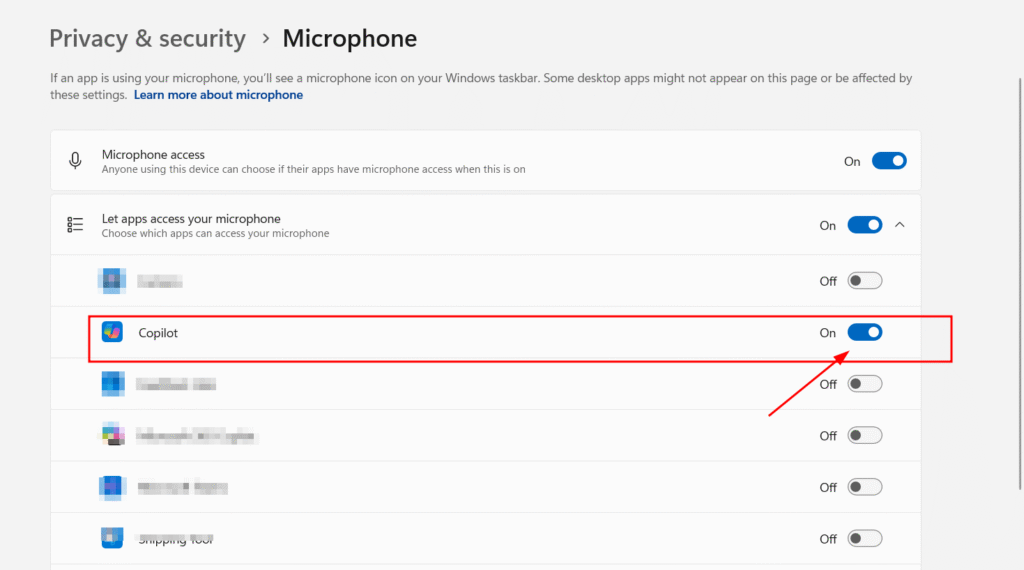
Hey Copilot’ Isn’t Just on Your PC — It’s Coming to Your Phone Too
Interestingly, the ‘Hey Copilot’ voice command is not limited to Windows 11 on PCs. It has also been spotted functioning on mobile devices, indicating Microsoft’s push towards a seamless AI experience across both desktop and mobile platforms. This cross-device integration could redefine how users interact with AI assistants in everyday life.
Read Also: Indian Government Issues Critical Warning for Android Users: Millions at Risk
One Account, Two Devices: Making ‘Hey Copilot’ Work Together
Using the same Microsoft Copilot account across both my PC and phone allows for a unified AI experience. This seamless connection means that tasks started on one device can easily continue on the other, and voice commands like ‘Hey Copilot’ work consistently, whether I’m at my desk or on the move. This cross-device synchronization enhances productivity and makes AI assistance truly flexible.
Cortana vs. Hey Copilot: How Do They Compare?
Microsoft is gradually phasing out Cortana, and positioning Copilot as its next-generation assistant. However, Copilot is not just a voice assistant — it's an AI-powered productivity tool capable of tasks like coding assistance, email drafting, web browsing, and data analysis.
| Feature | Cortana | Hey Copilot |
|---|---|---|
| Wake Word Support | Yes | Yes |
| Cloud-Based | Partially | Mostly |
| AI Capabilities | Limited | Powered by GPT-4/AI |
| Windows Integration | Legacy | Modern and evolving |
Future Uses
Copilot isn’t just an assistant — it represents Microsoft’s broader AI ecosystem vision. This feature marks another step toward a future where AI-first Windows experiences could allow users to control their OS through voice and intelligent automation.
Read Also: Google I/O 2025 Recap: All the Major AI, Android 16, and XR Announcements
Conclusion
“Hey Copilot” isn’t just a command — it’s a leap toward smarter, more natural interaction with your operating system. If Microsoft implements this feature effectively, it could fundamentally transform how users engage with Windows, paving the way for a more intuitive, voice-first computing experience.

Sia is the co-founder of Corenexis and one of the earliest voices shaping its editorial direction. With years of hands-on experience covering AI and technology, she has been writing about the digital world long before it became everyone's favorite topic — and she still does it better than most.
View all posts by Sia →

2 Comments
Your point of view caught my eye and was very interesting. Thanks. I have a question for you.
Can you be more specific about the content of your article? After reading it, I still have some doubts. Hope you can help me.
Community guidelines
We want the comments to be useful for every reader. Every comment is reviewed before it is published. A comment will not be approved if it is:
Keep it genuine and on-topic and it will be approved quickly. Thank you for helping keep the discussion clean.